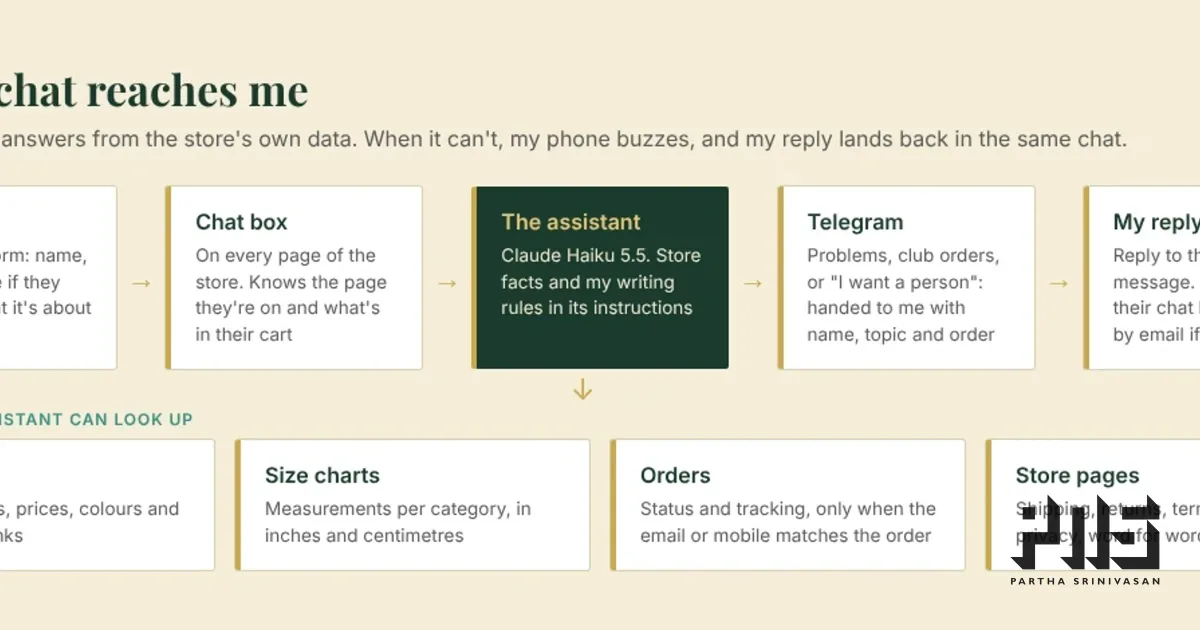
I added an AI assistant to my biker merch store. It answers from the store's own data, refuses to make things up, and hands anything that needs a decision to my phone. Here is how it is built and what I changed after the first day.…
The public blogs are plain files, so the admin is the only thing worth attacking. The layers in front of it, the checks behind it, and the Cloudflare setting that locked out everyone except me.…
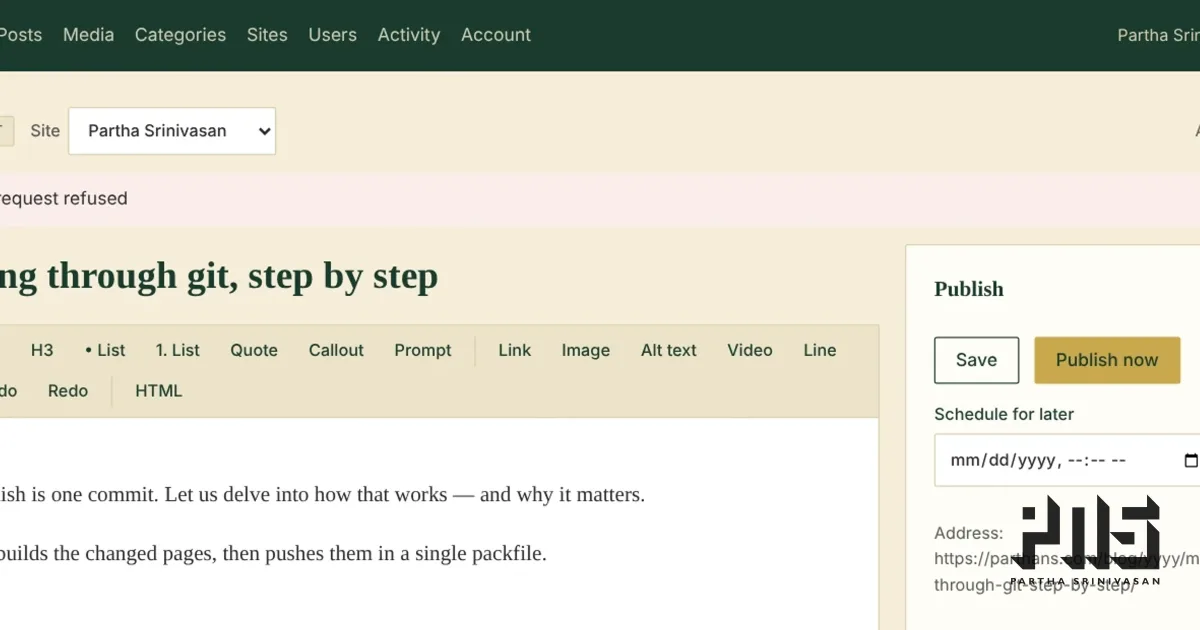
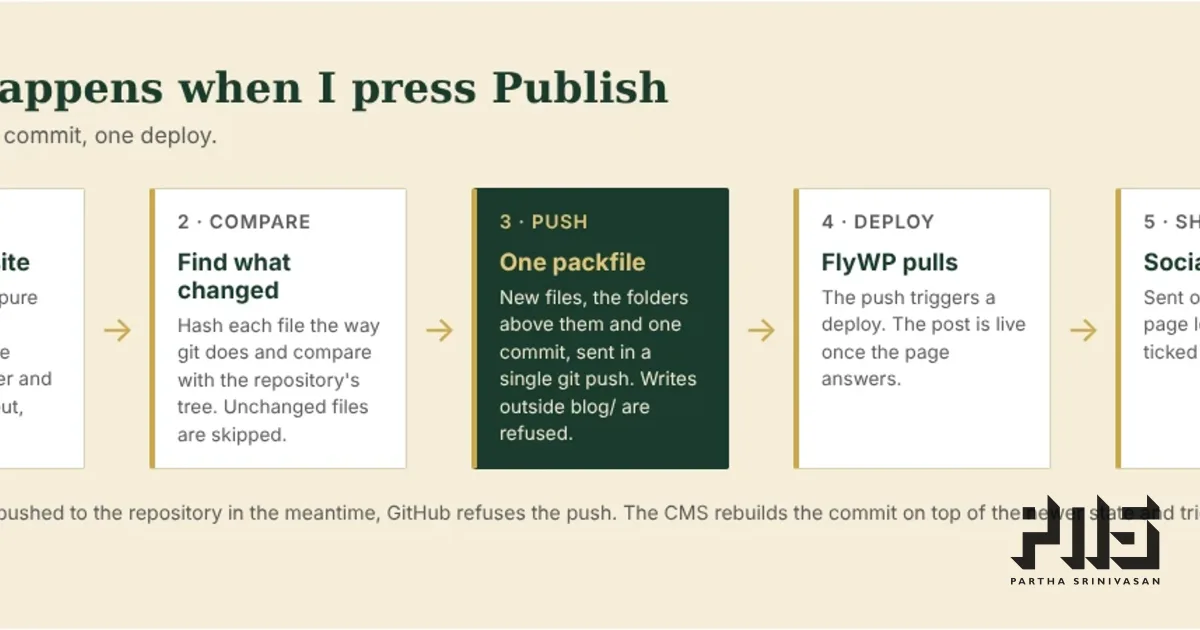
Pressing Publish turns into one git commit, pushed straight to GitHub, which my host deploys. Why git, why I stopped using GitHub's API, and the one folder the CMS may touch.
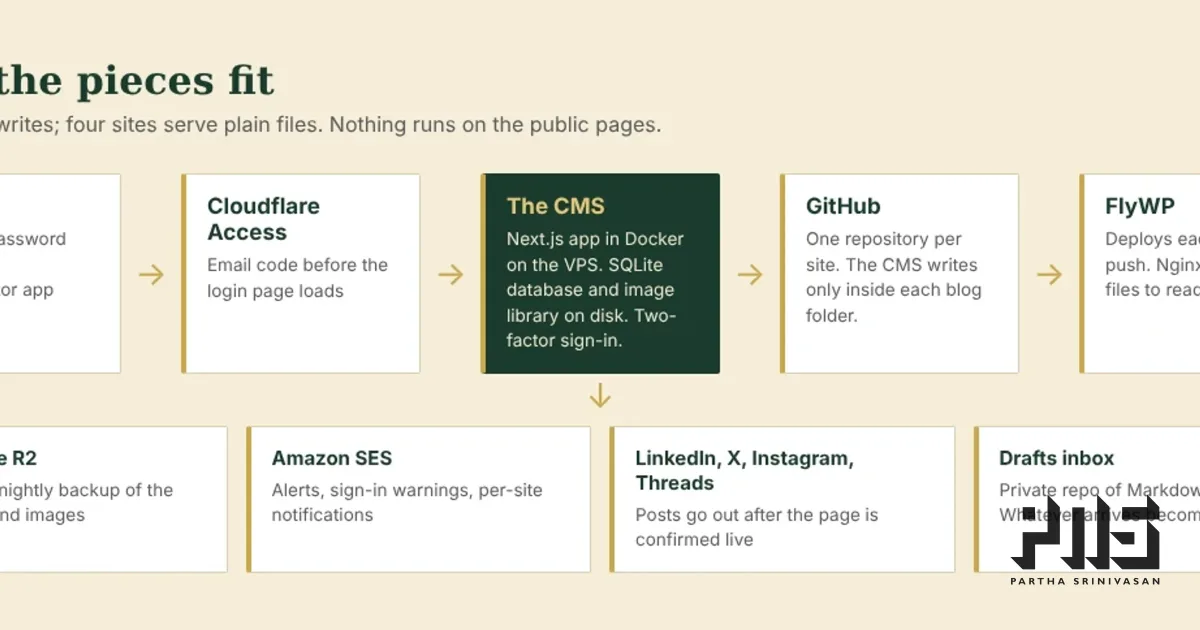
The technical version of why I left WordPress. What the CMS is made of, why each piece is there, and how a written spec kept an AI-built project on track.
A survey of 1,200 CEOs across 21 countries finds 72% expect skills shortages to be a bigger growth barrier than access to capital. This changes the argument for independent work.
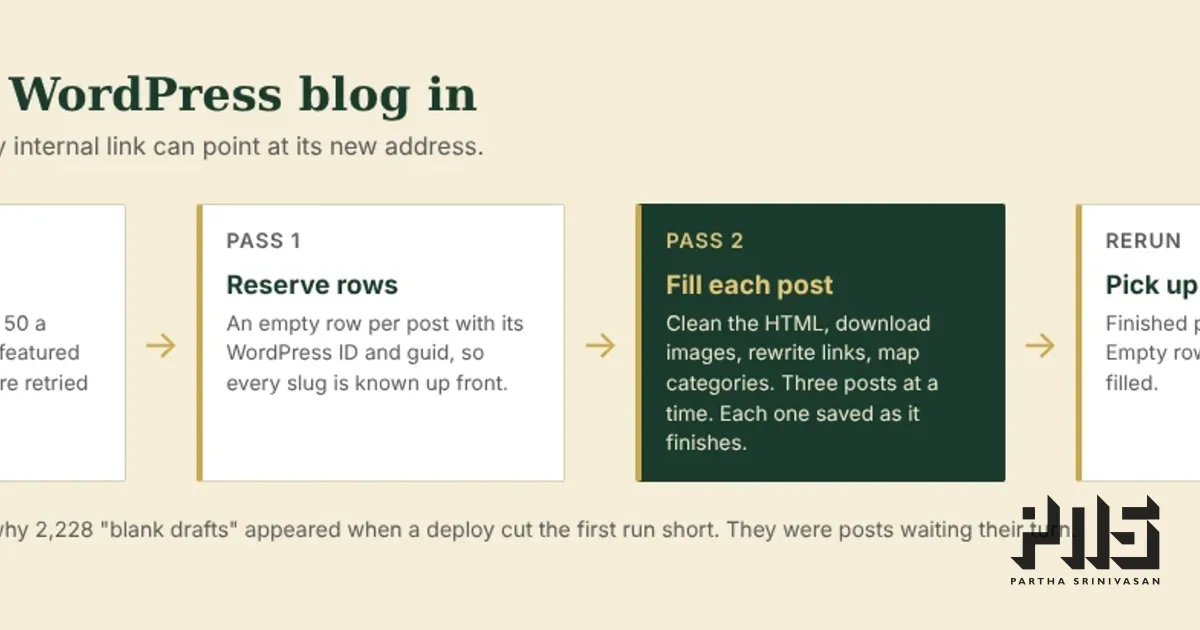
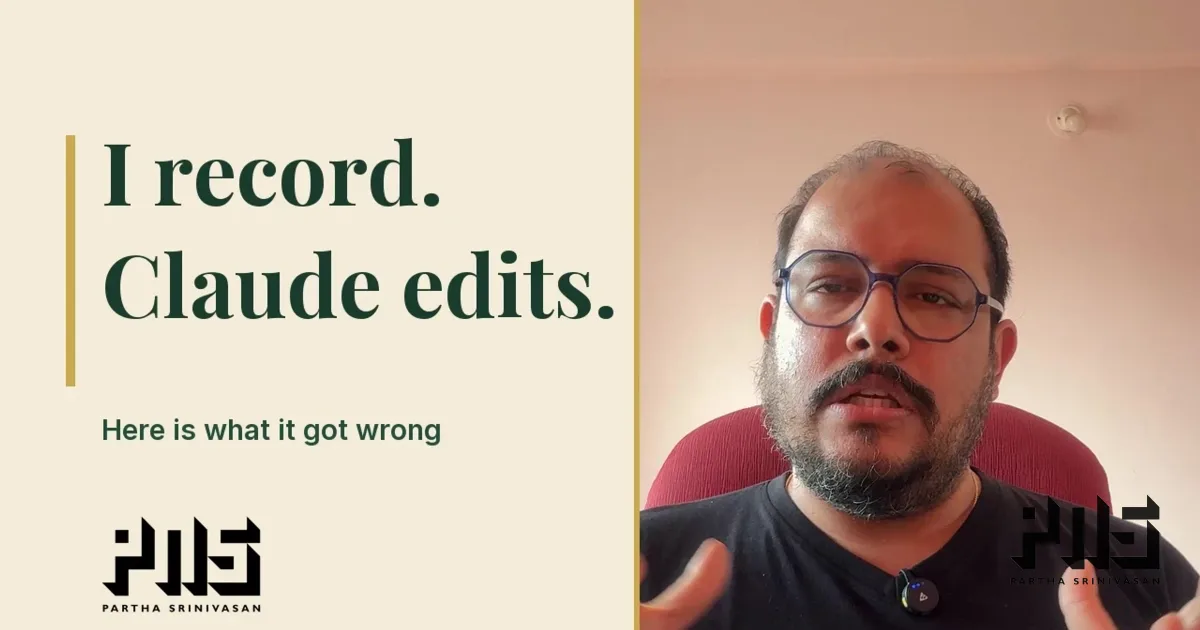
A WordPress blog kept crashing over a simple task, so I built a custom CMS focused on plain HTML, robust security, and an AI-assisted editing workflow.
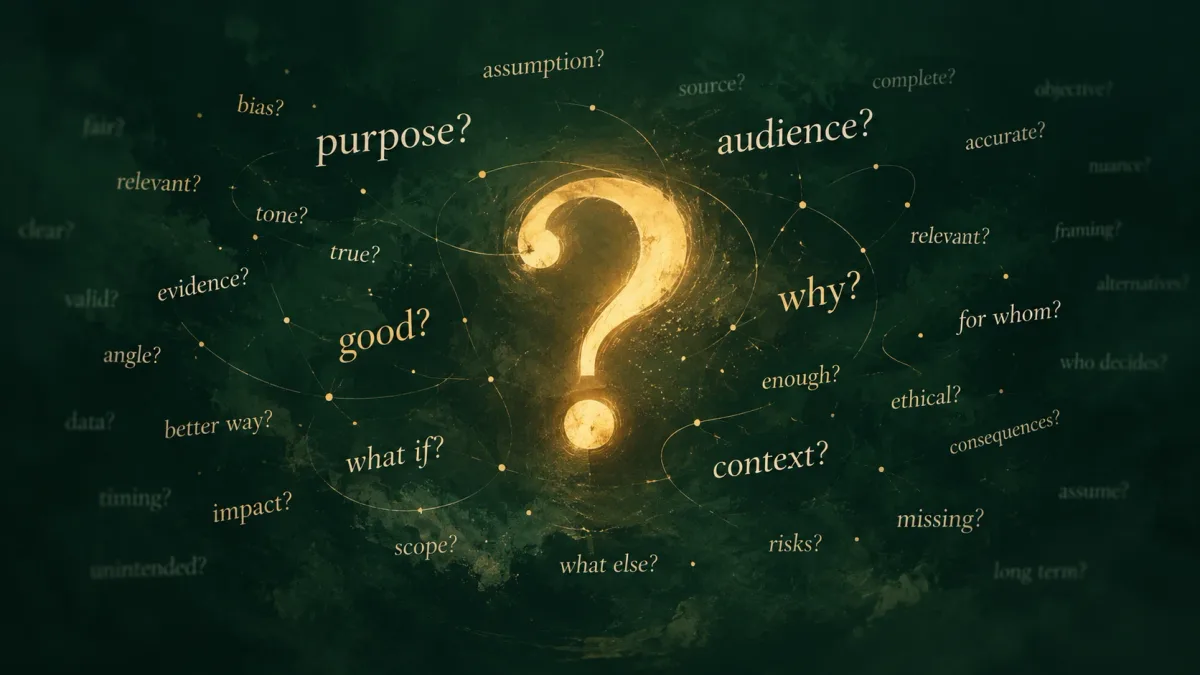
The assumptions you bring to a prompt matter more than the prompt itself. This paper argues that the gap between what AI tools can do and what most people get from them is not a capability gap or a formatting gap. It is a diagnostic gap, built from unexamined assumptions about audience, purpose, and what “good” actually means. It draws on research in human-computer interaction, cognitive psychology, and decision science to make the case that the prompt engineering industry has, almost entirely, been selling solutions to the wrong problem. Seven sections. One uncomfortable question: what are y…