
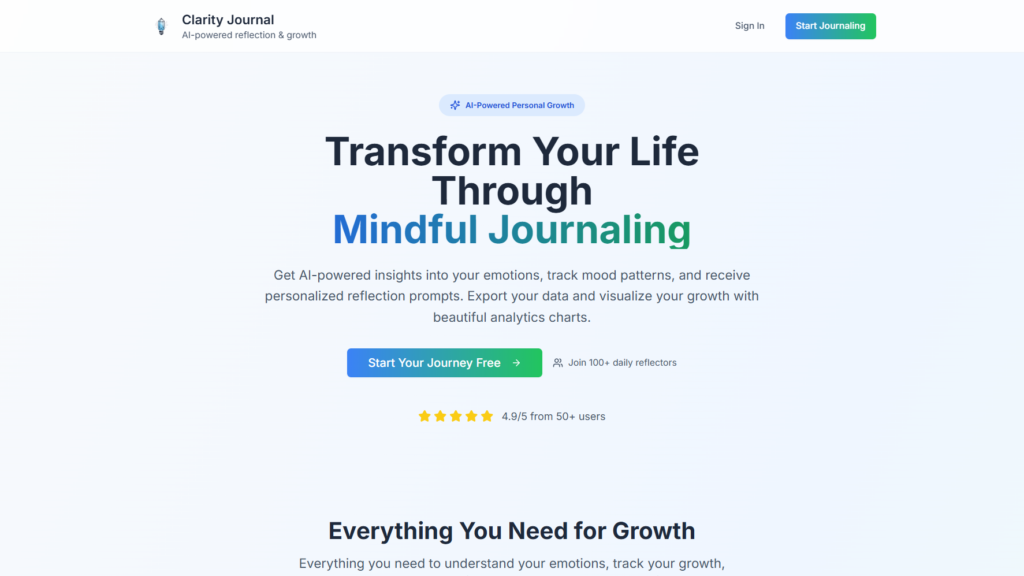
The First AI App I Built Was Not About Coding. It Was About Clarity
Nearly two years ago, I built my first AI powered app. It still works today. Not as a gimmick. Not […]
Nearly two years ago, I built my first AI powered app. It still works today. Not as a gimmick. Not […]
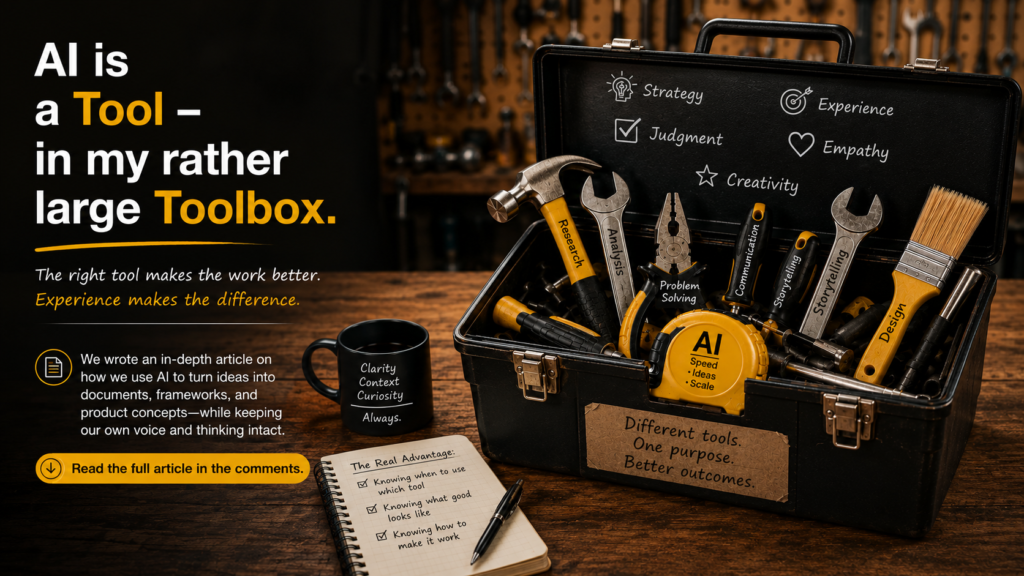
Yesterday, I was speaking with Aarti Krishnakumar (@talesfromaaroo on X) about how I use AI tools to conceptualize solutions, both […]
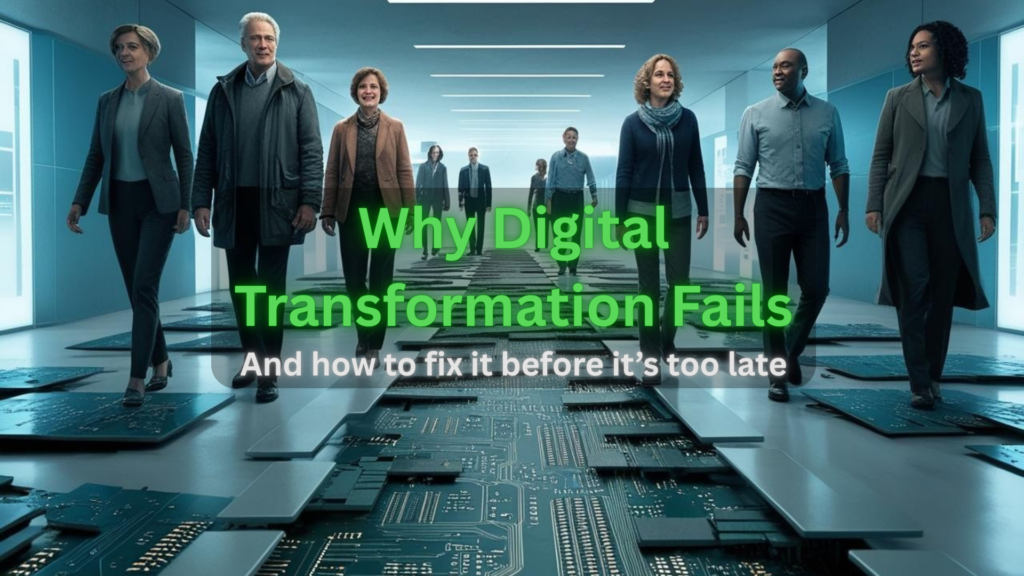
Digital transformation has become a buzzword—but underneath the jargon, most initiatives fall flat. Despite massive investments in tools and systems, companies often find themselves stuck with bloated platforms, disillusioned teams, and zero ROI. This post digs deep into why transformation fails: not because of tech limitations, but because of a flawed mindset. We explore how misaligned incentives, cultural resistance, and an obsession with automation over outcomes derail even the best-intentioned plans. If you’re serious about scaling smart, it’s time to rethink what digital transformation actually means—and how to make it work.

Automation is supposed to make business smoother, faster, and more efficient. But when taken too far, it can kill customer experience, weaken internal processes, and make businesses fragile. Over-automation often replaces strategy with shortcuts—leading to frustrated customers, rigid workflows, and a loss of control.
In this article, we explore the hidden costs of automating everything, from dehumanizing customer interactions to making systems more brittle. Learn when to automate smartly and when to keep the human touch.